How to Make Money Buying and Reselling Returned Packages
Have you ever wondered what happens to products people return to Amazon, Walmart, and other online retailers?
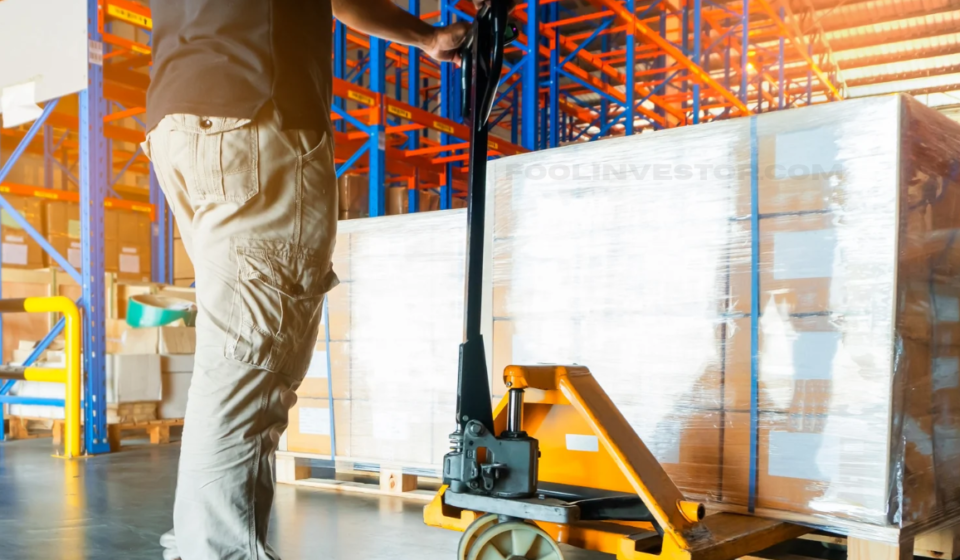
Not every returned product goes back on the store shelf. Some are sent to liquidation warehouses, where they are sold in bulk to businesses and independent resellers at discounted prices.
This has created an interesting money-making opportunity: buying returned packages in bulk and reselling the products individually for a profit.
Some people start with a few boxes, while others purchase entire pallets of returned merchandise and operate small resale businesses.
But is it really profitable? And how can someone get started?
Let’s break down how the returned-package resale business works.
What Are Returned Packages?
Returned packages are products that customers have purchased and later sent back to retailers.
For example, someone might order a coffee machine from Amazon, open the package, decide they don’t like it, and return it.
The retailer now has a returned product that may not be suitable for selling as brand-new merchandise.
Instead of handling every item individually, retailers and their liquidation partners may sell returned products in bulk to wholesalers and resellers.
These products can include:
- Electronics and headphones
- Kitchen appliances
- Clothing and shoes
- Home improvement tools
- Toys and accessories
- Small household products
Not everything is damaged or defective. Some products are unopened, while others may have damaged packaging, missing accessories, or signs of previous use.
This is where resellers look for opportunities.
How Do People Make Money Reselling Returned Packages?
The business model is relatively simple:
- Buy returned merchandise in bulk at a discounted price.
- Open and sort the packages.
- Check whether the products work and are complete.
- Photograph and list the usable products online.
- Sell them individually at a higher price.
- Keep the difference after expenses.
The opportunity comes from buying products at wholesale liquidation prices and selling them individually at prices customers are willing to pay.
Example: Buying a Returned Merchandise Pallet
Imagine someone purchases a liquidation pallet for $500.
After opening and checking the packages, they find 30 products that can potentially be resold.
Here is a simplified example of how the numbers might look:
| Expense or income | Amount |
|---|---|
| Cost of liquidation pallet | $500 |
| Shipping and transportation | $100 |
| Packaging and other expenses | $50 |
| Total investment | $650 |
| Revenue from selling products | $1,000 |
| Estimated profit | $350 |
In this example, the reseller makes $350 before income taxes and any additional costs not included above.
However, this is only an illustration, not a guaranteed return. Some products may be broken, incomplete, difficult to sell, or worth less than expected.
The key is to calculate the total cost before purchasing a pallet.
Where Can You Buy Returned Packages?
You don’t necessarily need to purchase directly from Amazon or Walmart.
Many retailers sell returned merchandise through liquidation marketplaces and wholesale companies.
Here are some places worth researching:
1. B-Stock
B-Stock operates liquidation marketplaces where businesses can purchase excess inventory and customer returns through auctions.
One example is the Walmart Canada Liquidation Marketplace, which offers merchandise such as customer returns, apparel, electronics, home products, and other categories.
Canadian buyers should review its business registration requirements, shipping arrangements, and auction terms before bidding.
Website: https://bstock.com/walmartcanada/
2. Direct Liquidation
Direct Liquidation is a marketplace for liquidation merchandise, including customer returns, overstock, and other surplus inventory.
Depending on the listing, buyers may find individual lots, pallets, or larger quantities.
Website: https://www.directliquidation.com/
3. Local Liquidation Warehouses
Another option is to find liquidation warehouses in your area.
Some businesses sell returned merchandise by the pallet, while others allow customers to purchase individual products.
Buying locally can be useful because you may be able to inspect merchandise and avoid expensive long-distance shipping.
Always check the warehouse’s reputation, product condition, and refund policy before paying.
Where Do Resellers Sell the Products?
Once the merchandise arrives, the next step is finding buyers.
Fortunately, resellers have several options.
Facebook Marketplace: A popular starting point for selling household products, furniture, electronics, tools, and other everyday items. Local pickup can also reduce shipping expenses.
eBay: Useful for electronics, branded products, collectibles, accessories, and items that attract buyers from different locations.
Amazon: Some products may qualify for resale on Amazon, subject to its seller policies, category restrictions, product condition rules, and documentation requirements.
Kijiji: Another option for Canadian sellers looking to reach local buyers.
Garage Sales and Flea Markets: Resellers can sell multiple products in person without creating an online listing for every item.
A good strategy is to choose the selling platform based on the product. For example, a large household appliance may be easier to sell locally, while a small electronic accessory may attract buyers on eBay.
What Type of Returned Products Are Worth Buying?
Not every liquidation category offers the same resale opportunity.
For beginners, it can make sense to focus on products they understand and can easily inspect.
Some categories worth researching include:
- Small kitchen appliances: Coffee makers, blenders, air fryers, and other household products.
- Power tools: Drills, accessories, and home improvement equipment.
- Electronics accessories: Keyboards, computer accessories, headphones, and chargers.
- Home products: Storage items, lighting, kitchen accessories, and small furniture.
- Clothing and shoes: Branded apparel and footwear that can be checked for condition and authenticity.
Remember that a product’s original retail price does not determine its resale value.
A $150 appliance may only sell for $40 if it has missing parts or strong competition from other sellers.
Research actual selling prices before purchasing inventory.
The Risks of Buying Returned Packages
This business can make money, but it is not as simple as buying a cheap pallet and selling everything for a profit.
There are several risks beginners should understand.
1. You Don’t Know the Exact Condition
Some liquidation merchandise is untested. Products may arrive broken, incomplete, scratched, or unusable.
2. Not Every Pallet Has Valuable Products
A pallet advertised with a $3,000 retail value does not mean you can sell everything for $3,000.
Retail value is not the same as resale value.
3. Shipping Can Reduce Your Profit
Liquidation pallets can be heavy and expensive to transport. A cheap pallet may become a bad deal after freight, handling, and delivery costs.
4. Some Products Take Months to Sell
You may have money tied up in inventory that nobody wants to purchase.
5. Some Products Require Extra Care
Electronics need testing, branded goods need authenticity checks, and certain products may have safety or regulatory restrictions.
Always understand the condition and legal requirements before reselling an item.
How to Start a Returned-Package Reselling Business
You don’t need a warehouse or a large investment to test this business model.
Here is a practical way to start:
Step 1: Start Small
Avoid purchasing an entire truckload as your first investment. Look for a small, affordable lot or individual liquidation items.
Step 2: Choose One Product Category
Start with something you understand, such as household products, tools, or electronics accessories.
Step 3: Research Resale Prices
Check Facebook Marketplace, eBay, and other platforms to see what similar products actually sell for.
Step 4: Calculate Every Expense
Include the purchase price, shipping, taxes, packaging, marketplace fees, repairs, and the cost of unsellable products.
Step 5: Test and Photograph Everything
Check product functionality, list the condition honestly, and include clear photographs.
Step 6: Reinvest Carefully
Once you understand which products sell and how much profit you actually make, consider purchasing larger lots.
The goal is to build a repeatable business rather than gamble on random pallets.
Is Buying and Reselling Returned Packages Worth It?
It can be a legitimate side hustle, especially for people who enjoy finding deals, negotiating prices, and selling products online.
The biggest advantage is that you can purchase inventory below its original retail price and potentially earn a margin by selling individual products.
However, the business requires time, storage space, product testing, customer service, and an understanding of resale prices.
For beginners, buying a small manifested liquidation lot is generally a more sensible starting point than spending thousands of dollars on an uninspected pallet.
The real money isn’t made by buying the cheapest returned packages. It’s made by buying the right products at the right price and knowing where to sell them.
Frequently Asked Questions (FAQs)
Can you really make money selling Amazon return pallets?
Yes. Resellers can purchase liquidation merchandise and sell usable products individually. However, profitability depends on product condition, purchase price, shipping, selling fees, and customer demand.
How much money do you need to start buying returned packages?
There is no fixed amount. You can begin with a small liquidation lot or a few individual products. A larger pallet requires more money for inventory, shipping, storage, and unexpected losses.
Are Amazon return pallets worth buying?
They can be, but not every pallet is a good deal. Look for detailed manifests, realistic resale values, clear condition descriptions, and reasonable shipping costs.
Can you sell returned products on Facebook Marketplace?
Yes. Facebook Marketplace is one option for selling eligible second-hand and open-box products. Sellers should accurately describe the condition and follow the platform’s commerce policies.
Is reselling returned packages a good side hustle?
It can be a useful side business for people who have time to inspect, photograph, list, and ship products. However, it is not passive income, and there is no guaranteed profit.
Disclaimer: This article is for educational and informational purposes only. Buying liquidation merchandise involves financial risk. Always research suppliers, inspect product details, and calculate your potential costs before making a purchase.