


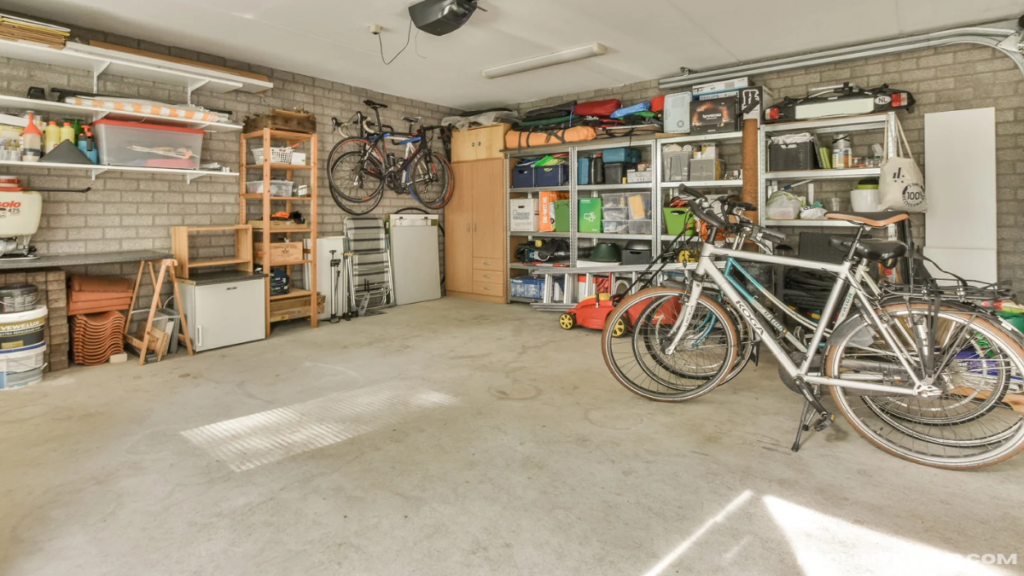
People Are Making Money Renting Out Things They Already Own – Here’s How You Can Start
What if you could make extra money without buying anything new? Your camera, power tools, bicycle, camping equipment or even your parking space could become an additional source of income.
A growing part of the sharing economy is built around a simple idea: instead of buying something they only need for a few days, people rent it from someone who already owns it.
And that creates an opportunity for everyday people.
You don’t need a warehouse, employees or a big investment. You just need something useful that spends more time sitting around than being used.
Let’s look at what you can rent out, where to find customers and how to get started.
1. Power Tools and Home Improvement Equipment

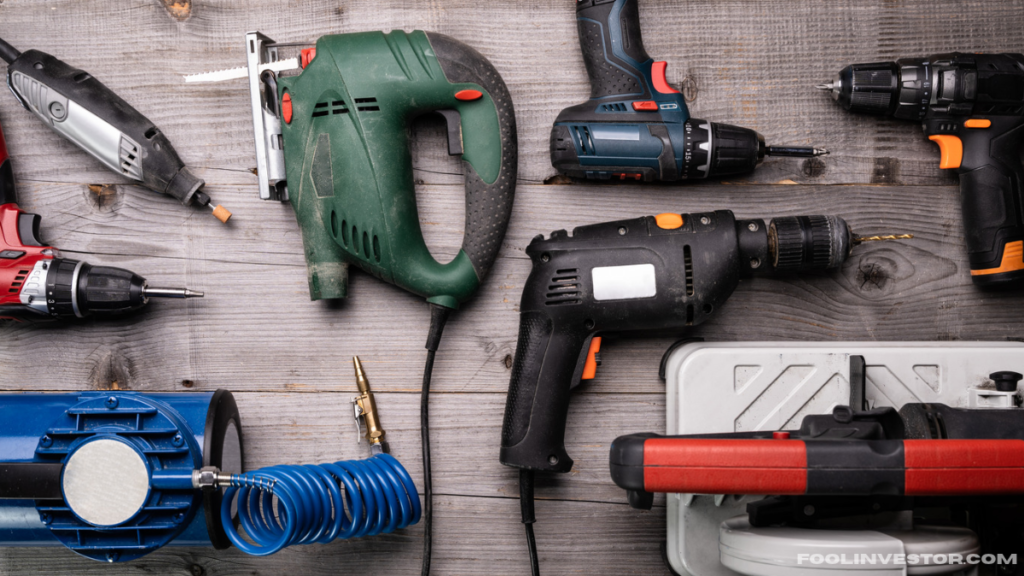
Think about how many people need a power tool for just one weekend.
Someone might need a pressure washer to clean their driveway, a drill to install shelves or a carpet cleaner for spring cleaning.
Instead of spending hundreds of dollars buying equipment, they may prefer renting it.
Things you could rent:
- Power drills and impact drivers
- Pressure washers
- Carpet cleaners
- Ladders and scaffolding
- Lawn mowers and leaf blowers
- Tile cutters and other DIY equipment
Why it works: Many home improvement tools are expensive but aren’t used every day.
If you already own quality equipment, renting it locally could help you recover some of its purchase cost.
2. Cameras, Drones and Photography Gear
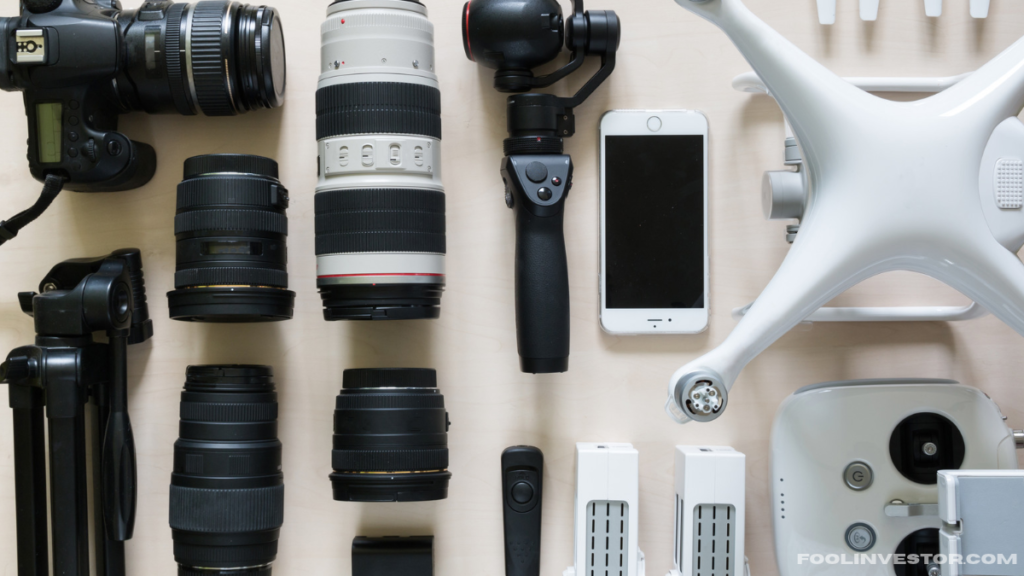
Photography equipment can be expensive, especially for beginners, content creators and people working on short-term projects.
Someone might need a professional camera for a wedding, a drone for a property video or a lighting kit for a YouTube shoot.
They don’t necessarily want to purchase everything.
Things you could rent:
- DSLR and mirrorless cameras
- Camera lenses
- Tripods and stabilizers
- Drones
- Microphones
- Lighting equipment
Why it works: People often need specialized equipment for a specific project rather than owning it permanently.
If you have expensive camera equipment sitting unused, this is worth exploring.
3. Camping and Outdoor Equipment

Not everyone wants to spend hundreds of dollars buying camping equipment for a trip they take once or twice a year.
This creates an opportunity for people who already own outdoor gear.
Things you could rent:
- Camping tents
- Sleeping bags
- Kayaks and paddleboards
- Fishing equipment
- Camping stoves
- Hiking backpacks
- Bike racks
Why it works: Seasonal demand can make outdoor equipment attractive to rent.
For example, camping gear may attract more interest during summer, while winter sports equipment can have its own rental season.
You can earn from equipment that would otherwise spend most of the year in storage.
4. Cars, Trailers and Parking Spaces

This category can offer a bigger earning opportunity, but it also comes with more responsibility.
If you own a vehicle that sits unused for several days a week, peer-to-peer car rental services may let you earn from it.
A trailer can also be useful to someone moving furniture, transporting equipment or completing a renovation.
And don’t overlook parking.
If you have an unused parking spot in an area where parking is expensive or limited, someone nearby may be willing to pay to use it.
Things you could rent:
- Cars and trucks
- Utility trailers
- Cargo trailers
- RVs and campers
- Driveway parking spaces
- Garage storage space
Why it works: Vehicles and parking spaces are useful assets, particularly in busy cities and areas with limited parking.
Before listing anything, check insurance, local regulations, building rules and platform requirements.
5. Party, Event and Entertainment Equipment

People organize birthdays, weddings, backyard parties and small events throughout the year.
However, most people don’t want to buy equipment they will only use once.
If you own event supplies, you could turn them into rental inventory.
Things you could rent:
- Folding tables and chairs
- Portable speakers
- Projectors and screens
- Party tents
- Photo booths
- Lighting equipment
- Karaoke machines
Why it works: Customers can save money by renting, while owners can earn from equipment that is rarely used.
You could also offer delivery and setup for an additional fee if you have the time and ability to provide those services.
Where Can You List Your Items for Rent?
You don’t necessarily need to build your own website or find customers one by one.
There are already platforms designed to connect people who own things with people who need them.
Here are some options worth exploring, particularly for Canadian readers.
| Platform | What you can rent |
|---|---|
| Rented Local | Cameras, camping gear, tools and equipment |
| Peephole | Everyday items, tools and outdoor equipment |
| RentOM | Photography, outdoor gear, electronics and tools |
| Turo | Cars and vehicles |
| Airbnb | Homes and rooms |
Important: Platform availability, fees, insurance and eligible rental categories vary. Check whether the service operates in your city before listing anything.
For example, Rented Local advertises coverage in Atlantic Canada, including Halifax. Peephole focuses on peer-to-peer rentals, while Turo and Airbnb specialize in vehicles and accommodation respectively.
How Much Money Can You Actually Make?
This is where things get interesting.
You don’t need to rent something every day to generate additional income. Even a few bookings per month can add up.
Let’s look at a simple example.
| Item | Rental price | Monthly bookings | Gross income |
|---|---|---|---|
| Pressure washer | $30/day | 4 days | $120 |
| Camping tent | $20/day | 4 days | $80 |
| Camera | $45/day | 3 days | $135 |
| Projector | $25/day | 3 days | $75 |
| Total | $410 |
That’s $410 in potential monthly rental revenue from four items.
These are illustrative prices and booking assumptions, not guaranteed market rates or actual platform earnings.
Your actual profit will be lower after platform fees, cleaning, maintenance, transportation, insurance and potential damage.
The biggest factor is whether people in your area actually want to rent your item.
How to Start Renting Out Your Belongings
You don’t need to turn your entire house into a rental business.
Start with one item.
Step 1: Find something valuable that you rarely use.
Walk through your garage, basement and storage room. Look for equipment that people might need temporarily.
Step 2: Check local rental prices.
Search for similar items on rental platforms and compare their daily and weekly prices.
Don’t automatically charge the highest price. Competitive pricing can help you get your first bookings.
Step 3: Take clear pictures.
Show the actual condition of your item. Include accessories, important features and any existing scratches or damage.
Step 4: Create your listing.
Write a simple description, set your rental price and explain what is included.
Mention pickup arrangements, return times and any rules renters need to follow.
Step 5: Protect your belongings.
Before accepting a booking:
- Verify the renter’s identity where possible.
- Use a platform with clear payment and dispute procedures.
- Document the item’s condition before and after every rental.
- Use a written rental agreement where appropriate.
- Check insurance coverage and exclusions.
- Never assume a security deposit covers every possible loss.
Step 6: Reinvest your earnings.
Once you understand what people are renting in your area, you can decide whether to expand your listings.
There is no need to buy more equipment until you have evidence of demand.
Is Renting Out Your Stuff Really Worth It?
It can be, but it isn’t completely passive income.
You need to communicate with renters, arrange pickups, inspect equipment, clean items and handle occasional problems.
Some items also carry more risk than others.
For example, renting out a camera is different from renting out a car or a power tool. The potential damage, insurance requirements and responsibilities can be much greater.
Start small and focus on items that are easy to maintain and replace.
One important reminder for Canadians: Rental income earned through online platforms may need to be reported to the CRA. Tax treatment depends on the type of rental activity and how you operate it. Keep records of your rental payments and eligible expenses. Check the CRA’s sharing economy tax guidance before getting started.
Final Thoughts
One of the easiest ways to explore a side hustle is to look at what you already own.
That expensive camera you use twice a month, the pressure washer sitting in your garage or the camping equipment collecting dust could be useful to someone else.
Instead of letting those belongings sit unused, you could potentially earn money from them.
You don’t need to rent everything you own. Pick one useful item, test the demand and see whether the extra income is worth the effort.
Your next side hustle might already be sitting in your garage.