


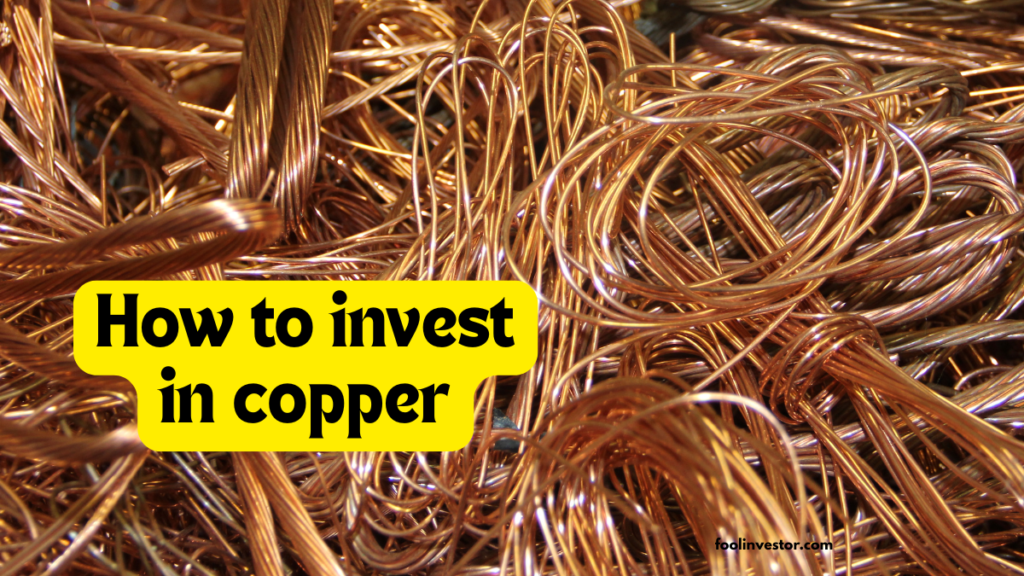
Copper is one of the most important industrial metals in the modern world. From electricity and construction to electric vehicles and renewable energy systems, copper plays a critical role in global infrastructure. As demand for electrification grows, many investors are looking at copper as a long-term investment opportunity.
This guide explains what copper is, why it matters, and all the main ways you can invest in it—from physical metal to ETFs, stocks, and futures—along with clear pros and cons for each method.
What Is Copper and Why Is It Important?
Copper is a reddish-brown industrial metal known for its excellent electrical and thermal conductivity. Because of these properties, it is widely used across multiple industries.
Key uses of copper:
- Electrical wiring and power grids
- Electric vehicles (EV motors and batteries)
- Renewable energy systems (solar and wind farms)
- Construction and plumbing
- Industrial machinery and electronics
- Telecommunications and data centers
Copper is often called the “metal of electrification” because modern energy transition technologies depend heavily on it.
Why Invest in Copper?
Copper demand is closely tied to global economic growth and technological development. Several long-term trends support copper investment interest:
- Expansion of electric vehicles
- Global shift toward renewable energy
- Upgrading aging power grids
- Growth in data centers and AI infrastructure
- Urbanization in emerging markets
At the same time, supply is constrained due to:
- Declining ore quality
- Long mine development timelines
- Environmental regulations
- Political risk in mining regions
This supply-demand imbalance is one reason investors expect copper to remain strategically important over the long term.
How to Invest in Copper
There is no single “best” way to invest in copper. Each method has different risk levels, costs, and levels of exposure.
1. Physical Copper (Least Common Method)
You can buy copper in the form of bars, ingots, or industrial scrap metal.
Pros:
- Direct ownership of the metal
- No financial intermediaries
- Tangible asset
Cons:
- Difficult to store in large quantities
- High transaction and dealer premiums
- Hard to sell at market price
- Low liquidity compared to financial instruments
👉 Best for: niche investors or collectors, not typical financial investing
2. Copper ETFs (Easiest Way to Invest)
Exchange-traded funds allow investors to gain exposure to copper prices or copper-related companies without owning physical metal.
Example:
- United States Copper Index Fund (CPER)
Pros:
- Simple to buy and sell through a brokerage account
- No storage or physical handling required
- Good liquidity
- Direct exposure to copper price movements (depending on structure)
Cons:
- Futures-based ETFs may suffer from “roll costs”
- Performance may differ from real-world copper prices
- Not all ETFs track copper the same way
👉 Best for: beginners and investors wanting simple commodity exposure
3. Copper Mining Stocks (Most Popular Long-Term Approach)
Instead of investing in copper itself, you invest in companies that produce it.
Examples include:
- Freeport-McMoRan
- BHP
- Rio Tinto
Pros:
- Strong upside during copper bull markets (profit leverage)
- Some companies pay dividends
- Easier long-term holding compared to commodities
Cons:
- Company risks (management, debt, politics)
- Performance not perfectly tied to copper prices
- Exposure to broader stock market volatility
👉 Best for: long-term investors seeking growth potential
4. Copper Futures (Advanced Trading Method)
Futures contracts allow direct speculation on copper price movements.
Pros:
- Pure exposure to copper price
- High liquidity
- Ability to use leverage
Cons:
- Extremely high risk
- Requires margin accounts and active management
- Contracts expire and must be rolled over
- Not suitable for beginners
👉 Best for: experienced traders and professionals
5. Copper Mutual Funds or Broad Commodity Funds
Some funds invest in a mix of commodities, including copper.
Pros:
- Diversification across multiple metals and resources
- Lower single-commodity risk
- Professionally managed
Cons:
- Less direct exposure to copper
- Returns diluted across multiple commodities
- Higher management fees in some cases
👉 Best for: conservative commodity exposure
Which Copper Investment Method Is Best?
It depends on your investment goal:
✔️ Simple exposure:
ETFs like CPER
✔️ Long-term growth:
Copper mining stocks
✔️ Direct price speculation:
Futures contracts
✔️ Tangible asset ownership:
Physical copper (rarely used)
Final Thoughts
Copper is not just another commodity—it is a foundational material for the global energy transition and digital economy. However, it is also highly cyclical and can experience significant price volatility.
For most investors, a combination of:
- Copper ETFs for direct exposure
- Mining stocks for long-term growth
offers a balanced and practical way to invest in copper.
As with any commodity investment, diversification and risk management are key.