


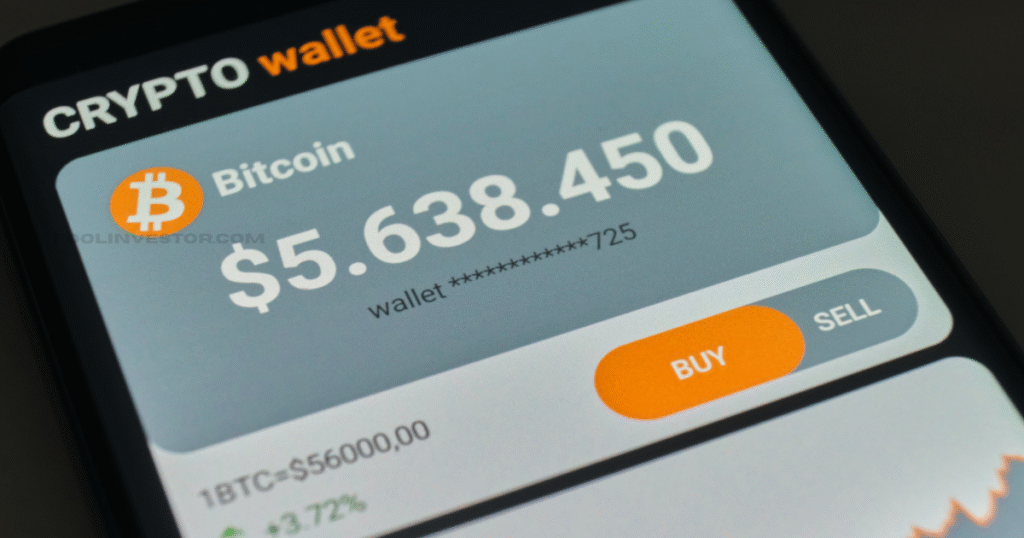
Cryptocurrencies have grown from niche digital assets into a global financial ecosystem. As adoption accelerates, the security of digital assets becomes more critical than ever. At the center of this security lies one essential tool: the crypto wallet.
A crypto wallet doesn’t store your coins physically. Instead, it stores private keys—the cryptographic information that proves ownership and enables transactions. Choosing the right wallet is essential for balancing security, convenience, and control.
The two broad categories of crypto wallets are Hot Wallets and Cold Wallets. Each serves different needs depending on how often you transact, how much crypto you hold, and your security requirements.
1. Hot Wallets
Hot wallets are internet-connected wallets, known for convenience and accessibility.
What Are Hot Wallets?
Hot wallets operate on devices that have an active internet connection. This allows users to send, receive, and manage crypto assets quickly. They are commonly used for trading, day-to-day transactions, and small to medium holdings.
Types of Hot Wallets
1.1 Mobile Wallets
Apps installed on smartphones.
- Examples: Trust Wallet, Coinbase Wallet, Exodus Mobile
- Best for: Everyday users, small holdings
1.2 Desktop Wallets
Programs installed on a computer.
- Examples: Electrum, Exodus, Atomic Wallet
- Best for: Users who want more control than mobile wallets
1.3 Web Wallets / Browser Wallets
Accessed via web browsers.
- Examples: MetaMask, Binance Web Wallet
- Best for: DeFi users, quick access
1.4 Custodial Exchange Wallets
Crypto stored on exchanges.
- Examples: Binance, Coinbase, Kraken
- Best for: Beginners, active traders
(Note: “Not your keys, not your crypto”—custodial wallets mean the exchange controls your keys.)
Key Features of Hot Wallets
- Instant access for buying, selling, and transferring crypto
- User-friendly interfaces suitable for beginners
- Supports multiple blockchains & tokens
- Often includes DApp browsers (especially mobile/web wallets)
- Integrated security features like PINs, biometrics, and seed phrases
Benefits of Hot Wallets
- Highly convenient for frequent transactions
- Fast transfers
- Free to use (most hot wallets have no hardware cost)
- Easy integration with exchanges & decentralized applications
Limitations of Hot Wallets
- Exposure to online risks such as malware, phishing, hacking
- Less secure for long-term storage of large amounts
- Viruses or compromised devices can lead to asset loss
Hot wallets are excellent for daily use, but not ideal for storing life-changing amounts of cryptocurrency.
2. Cold Wallets
Cold wallets are offline storage solutions, offering maximum security for long-term crypto protection.
What Are Cold Wallets?
Cold wallets store private keys completely offline, making them immune to online hacking attempts. They are ideal for long-term holders, institutions, and users managing substantial assets.
Types of Cold Wallets
2.1 Hardware Wallets
Physical electronic devices that secure private keys offline.
- Examples: Ledger Nano X/S Plus, Trezor Model T, Keystone, BitBox
- How it works: Keys never leave the device, even during transactions.
2.2 Paper Wallets
A physical printout of private keys and public addresses.
- Benefits: Simple, offline, and virtually hack-proof
- Risks: Paper can be lost, damaged, or stolen
2.3 Air-Gapped Wallets
Wallets stored on devices that have never connected to the internet.
- Often made using old laptops or specialized offline signing devices.
2.4 Steel Wallets (Backup Solutions)
Not wallets themselves, but secure backups of seed phrases engraved on steel plates.
- Purpose: Protect recovery phrases from fire, water, corrosion, or physical damage.
Key Features of Cold Wallets
- Offline private key storage
- Tamper-resistant hardware (for devices)
- Secure seed phrase generation
- Companion software or apps for managing assets
- Multiple authentication layers (PINs, passphrases, biometric options)
Benefits of Cold Wallets
- Highest level of security
- Immune to online attacks
- Best for long-term storage (HODLing)
- Ideal for large assets
- Many hardware wallets are open-source (security transparency)
Limitations of Cold Wallets
- Less convenient for everyday transactions
- Upfront cost for hardware wallets
- Risk of losing the device/seed phrase if not backed up properly
- Requires more technical understanding
3. Hot Wallet vs. Cold Wallet: Quick Comparison
| Feature | Hot Wallets | Cold Wallets |
|---|---|---|
| Internet Connection | Online | Offline |
| Security Level | Moderate | Very High |
| Convenience | Very High | Low–Medium |
| Best For | Trading & daily use | Long-term storage |
| Cost | Usually free | Paid (hardware) |
| Risk Level | Higher (hacks, malware) | Very low (offline secure) |
4. How to Choose the Right Wallet
Choose a Hot Wallet if you:
- Trade frequently
- Use DeFi, staking, NFTs, or DApps
- Need fast access to crypto
- Are a beginner wanting simplicity
Choose a Cold Wallet if you:
- Store large amounts
- Prioritize maximum security
- Hold crypto long term
- Are safeguarding institutional or investment funds
Most experienced users combine both:
- Cold wallet for savings
- Hot wallet for daily activity
5. Essential Security Tips for Any Wallet
- Always back up your seed phrase in multiple secure physical locations
- Use hardware wallets for significant holdings
- Enable 2FA on exchanges and apps
- Never share private keys
- Beware of phishing links and fake wallet apps
- Keep device software updated
- Use steel backup plates for extra protection
Conclusion
Crypto wallets play a crucial role in securing digital assets. Hot wallets offer flexibility and ease of use, ideal for beginner and active users. Cold wallets prioritize safety, making them perfect for long-term and high-value storage.
By understanding their differences, features, and advantages, you can safeguard your crypto wealth with the right mix of convenience and security.